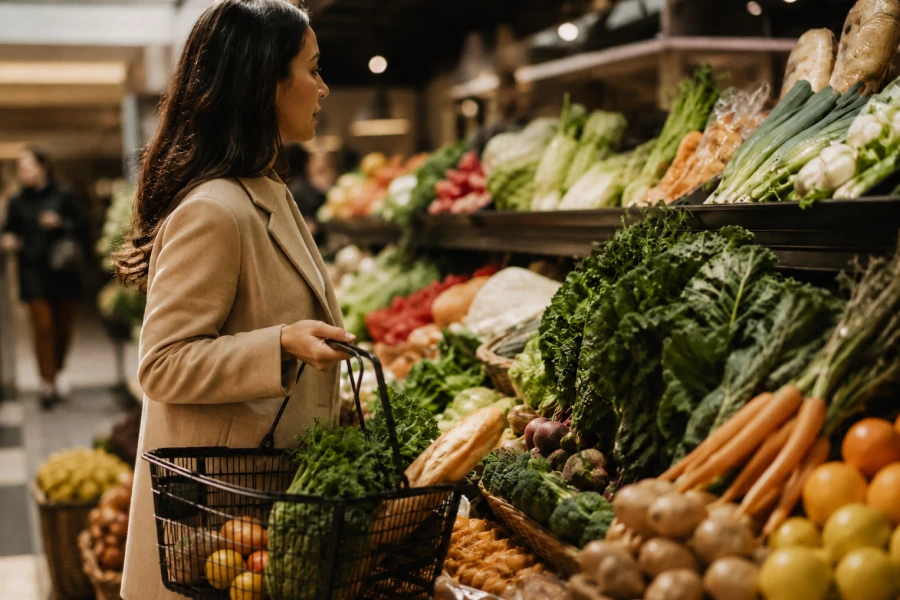
Fast shopping rarely starts in the grocery aisle. Faster grocery shopping begins when you know what meals you want and what ingredients you already own. A focused plan prevents unnecessary wandering through the store. It also lowers the chance of forgetting something essential. Start with a simple weekly outline rather than a detailed calendar. Then, build your list from meals that make sense together. Use comfort food planning when you want dinner ideas that use approachable ingredients. This gives every item a purpose before it enters your cart. The result is a trip that feels calmer, quicker, and much easier to repeat.
A long list is not always a useful list. Organize ingredients by where they appear in the store. Put produce first, then refrigerated items, pantry goods, and household supplies. Keep quantities beside each ingredient when possible. That makes decisions easier when package sizes differ. Cross off items you already have while checking your kitchen. This simple step prevents duplicate purchases. Avoid adding vague notes like dinner ingredients or snacks. Be specific enough that every line has a clear job. A clean list keeps you moving instead of pausing at every aisle. It also makes shopping easier for anyone else in your household.
Time disappears quickly when a grocery trip has no structure. Choose a store that fits your usual route and needs. Shop at a quieter time when possible. Keep reusable bags, a shopping list, and a pen in one dependable place. Review your list before entering the store. Notice whether anything can wait until your next trip. A focused weekly meal mapping habit can reduce rushed trips during the week. It gives you a picture of what dinner will require before the day begins. This kind of preparation protects time for the things you would rather do later.
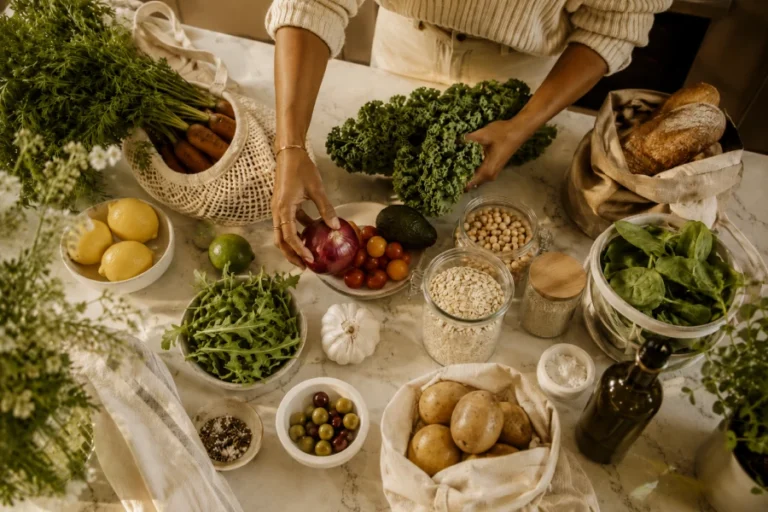
Your pantry is one of the best places to save money and time. Check it before adding staples to the list. You may already have pasta, grains, beans, sauces, spices, or baking ingredients. Those items can become the base for several meals. Keep a simple shelf or basket for foods that need using soon. Make that area the first place you look when planning dinner. Pantry-first cooking also reduces the temptation to overbuy. It helps you use what you paid for before bringing in more. This habit becomes especially useful during busy weeks. A well-used pantry makes your grocery list shorter and your meals more resourceful.
Lists become more useful when they reflect how you actually shop. Some people prefer paper, while others use a phone. Either method works when it stays easy to access. Keep recurring basics saved in one place. Add meal-specific ingredients beneath those essentials. A good shopping list organization system prevents small details from slipping through. It also makes it easier to share the list with a partner or family member. Update the list as soon as you notice something running low. Then, your next trip begins with most of the thinking already finished. That is the real secret behind a quicker shopping routine.
Using what you buy does not require eating identical meals every day. Choose versatile ingredients that can move across different dishes. A head of cabbage can become slaw, soup, stir-fry, or roasted wedges. Beans can work in tacos, bowls, salads, and casseroles. Cook extra grains for lunches or easy side dishes. Keep herbs, sauces, and toppings available for variety. This approach helps groceries feel more flexible. It also encourages creativity when plans change. A kitchen with adaptable ingredients is easier to manage. You will waste less food while still enjoying meals that feel varied and interesting.
Faster grocery shopping becomes more valuable when it also supports smarter use of food. A thoughtful plan limits overbuying and makes leftovers easier to handle. Use low-waste grocery habits to keep your kitchen practical without becoming overly strict. Shop for meals, but leave enough room for flexibility. Keep a few pantry and freezer staples available for unexpected evenings. Review what remains at the end of each week. That quick check helps you improve the next list. Over time, your store trips will become faster because your home kitchen works better. The system becomes less about speed alone and more about ease.

Leave a comment