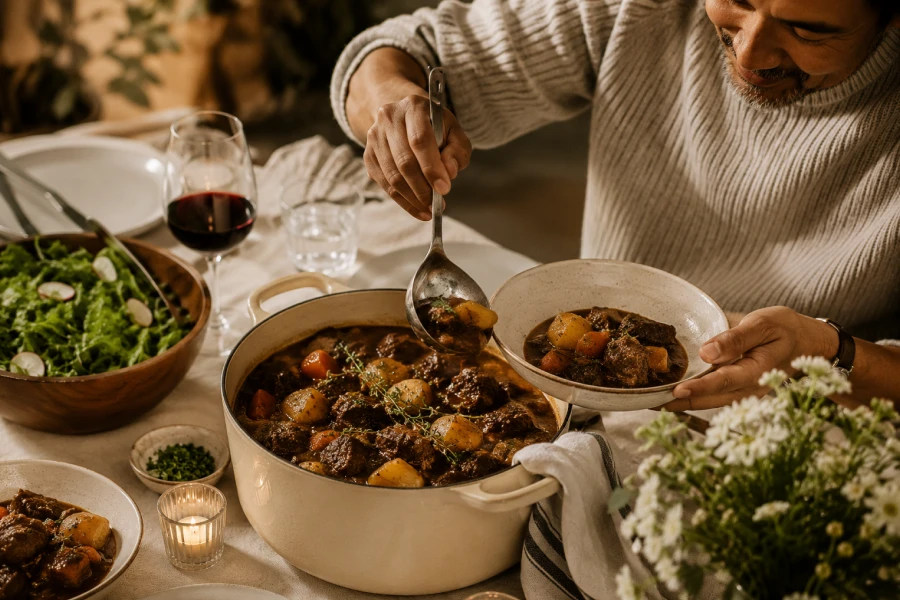
Busy weeks make many people reach for convenience, even when they want something more comforting. Hearty cold weather meals create a middle ground between ease and satisfaction. They use simple ingredients, but they offer the richness people want after long days. A good winter meal should feed everyone well without requiring endless preparation. It should also make the kitchen smell like something worth coming home to. A little planning creates more flexibility when the week gets demanding. Start with stress-free meal planning that leaves space for changing schedules. Then, choose recipes that can simmer, bake, or stretch into leftovers. This approach makes dinner feel supportive instead of stressful.
Comforting meals have a way of making a house feel settled. A warm bowl at the end of the day can soften the pace of everything else. That emotional value matters just as much as convenience. Rich broths, tender vegetables, and slow-cooked proteins create depth without excess. These meals often taste even better after resting overnight. That makes them ideal for people who want useful leftovers. Make enough for lunch the next day or freeze a portion for later. The extra serving becomes a gift to your future self. Cooking this way also reduces the pressure to reinvent dinner nightly. A dependable meal can create calm long after the plates are cleared.
Winter cooking becomes easier when you trust flexible formulas. Combine a protein, vegetable, starch, and flavorful liquid, then adjust as needed. Use lentils, chicken, beans, sausage, or mushrooms based on what is available. Add potatoes, rice, pasta, or bread for substance. Broth, tomatoes, cream, or coconut milk can create different moods from similar ingredients. Let your pantry work harder before buying something new. A few helpful AI cooking prompts can also help you combine what you already own. Ask for swaps when an ingredient is missing. That approach makes cooking more creative and less wasteful. It also helps you build confidence without following every recipe exactly.
There is no rule that says each week needs entirely new dinners. Repeating a favorite stew, baked pasta, or skillet meal can make life easier. Familiar meals require less thinking and fewer last-minute trips to the store. They also help households settle into reliable routines. Try rotating three or four winter staples throughout the month. Change the vegetables, seasoning, or topping when you want a different feel. That small adjustment keeps the meal interesting. Most importantly, repetition makes shopping more efficient. You know what ingredients will get used. Your kitchen becomes more predictable in the best possible way. Good routines give you room to enjoy cooking again.
Comfort does not have to mean heaviness at every meal. Add greens, roasted vegetables, or a bright salad beside richer dishes. Use citrus, vinegar, or herbs to keep flavors lively. Serve smaller portions of creamy sides when the main dish is already filling. A pot of beans can feel satisfying without being overly rich. Even roasted squash becomes more balanced with yogurt or fresh herbs. Think about contrast while building the plate. Warm meals often need something crisp, bright, or fresh beside them. That balance helps everyone leave the table feeling satisfied. It also keeps the meal enjoyable enough to repeat later.
The freezer can make winter cooking far more forgiving. Freeze soups, sauces, braises, and casseroles in portions that fit your household. Label containers clearly so you remember what is available. Keep a few dependable dinners ready for unexpected evenings. This prevents takeout from becoming the only answer when energy disappears. Frozen leftovers also make a thoughtful lunch after a busy morning. Build a small rotation instead of filling the freezer with random extras. Choose dishes you genuinely enjoy eating again. A little organization keeps those meals useful rather than forgotten. Your future self will appreciate every ready-made dinner waiting behind the freezer door.
Food routines work best when they support the way you actually live. Hearty cold weather meals can become a reliable answer to busy evenings, weekend gatherings, and quiet nights. Choose recipes that feel comforting before they feel impressive. Keep ingredients practical, season generously, and make enough to share. Return to meals that bring people back to the table. Use leftovers as part of your next plan rather than an afterthought. Build a small collection of recipes you can make with confidence. Over time, winter cooking becomes less about effort and more about ease. That is when the season begins to feel truly cozy.


Leave a comment