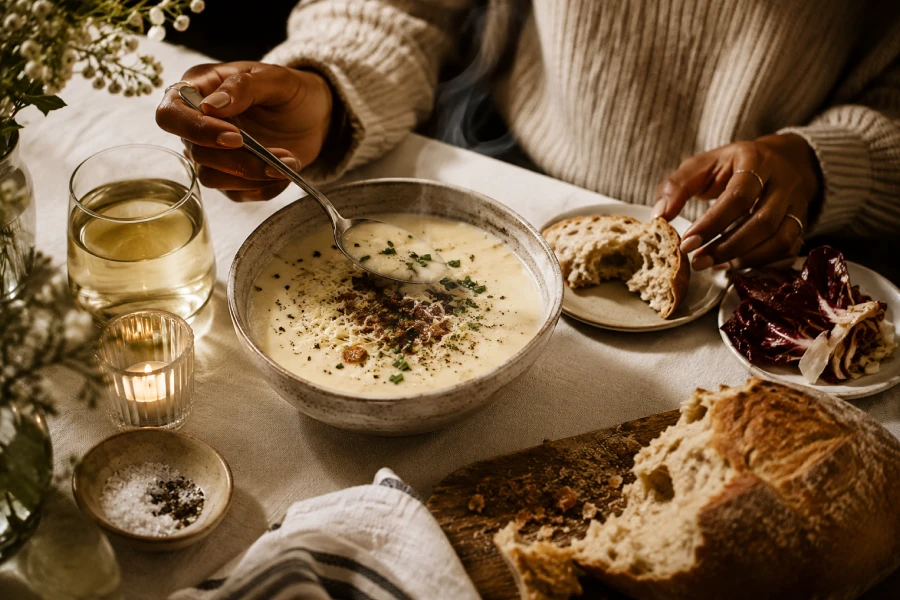
Winter dinners do not need elaborate menus to feel memorable. Steam, spice, and a familiar aroma can reset an exhausting day. Many cooks look for winter comfort food recipes when colder weather makes home feel especially inviting. These meals bring richness, but they also create a welcome sense of pause. One simmering pot can fill the kitchen with promise while chores wait elsewhere. That is why thoughtful cooking matters most during the season’s darker hours. Choose dishes that reward patience without demanding constant attention. Start with a few cozy winter meals that feel dependable from the first spoonful. Keep ingredients flexible enough for whatever your pantry already holds. Soon, dinner becomes less of a task and more of a small nightly ritual.
Cold evenings tend to make people crave food with warmth and texture. A creamy soup feels restorative because it slows the entire meal down. Baked pasta offers the same calm through bubbling sauce and crisp edges. Even a simple skillet dinner can become special with herbs and good seasoning. The goal is never perfection or restaurant-style presentation. Instead, focus on how a dish makes everyone feel around the table. A bowl of hearty dinner ideas can bring structure to an otherwise scattered evening. Familiar flavors help people settle in before the next busy day begins. This kind of cooking also makes leftovers something to anticipate. When dinner feels comforting, the whole household benefits from that slower rhythm.
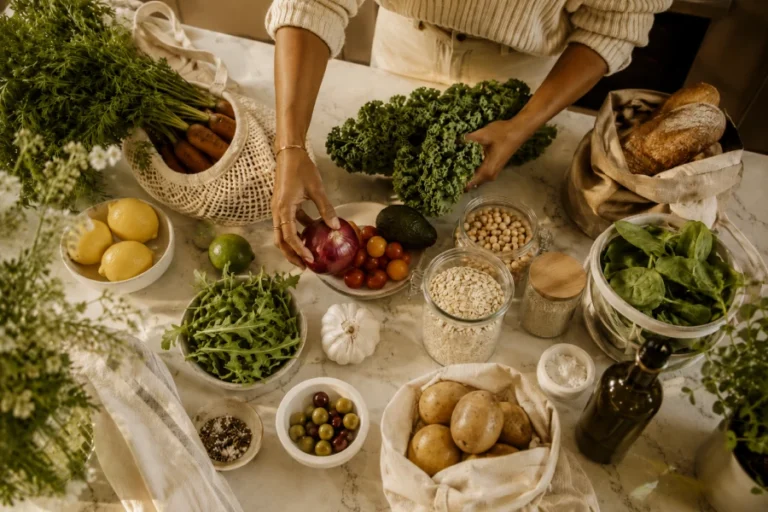
A well-stocked pantry gives comforting dinners an easy starting point. Beans, pasta, broth, tomatoes, grains, and warming spices can create countless combinations. Add fresh produce when possible, but do not underestimate frozen vegetables. They save time while still adding color and balance to simple meals. Dairy, eggs, and cheese can turn basic ingredients into something deeply satisfying. Keep onions, garlic, and a few dried herbs close by for immediate flavor. A reliable rotation of comforting soup recipes also makes grocery shopping feel more purposeful. You do not need every ingredient before you start cooking. Often, the best meal appears when you work with what already exists. That practical confidence makes cold-weather cooking feel easier every week.
The oven is one of winter’s most dependable kitchen tools. It creates depth while giving you time to prepare the table or rest. Roasted vegetables become sweeter, while proteins develop richer edges and texture. Casseroles work especially well when the day feels too full. They invite you to layer ingredients, cover the dish, and let heat handle the rest. Try building a few easy casserole nights into your weekly rotation. A baked meal can stretch ingredients without feeling repetitive or plain. It also gives everyone a reason to gather in the kitchen. Serve it with a crisp salad or simple bread for balance. The result feels generous even when preparation remains uncomplicated.
Sharing dinner should feel relaxed instead of performance-driven. Choose dishes that can sit comfortably before everyone reaches the table. Soups, braises, baked pastas, and slow-cooked meals are all forgiving choices. They taste good even when conversation lasts longer than expected. Serve food family-style whenever possible to make the meal feel warmer. Let guests help themselves rather than managing individual plates. Add a candle, cloth napkin, or favorite serving bowl for simple atmosphere. A relaxed table keeps people focused on connection rather than presentation. You can also prepare dessert earlier and save the final moments for conversation. Small choices like these turn dinner into something people remember. The food matters, but the feeling around it matters just as much.
Comforting meals rely on layers rather than complicated techniques. Brown onions slowly before adding broth or tomatoes. Toast spices briefly so their fragrance reaches the entire kitchen. Finish soups with citrus, herbs, or a spoonful of yogurt. Add crisp toppings to soft dishes for contrast. A handful of toasted breadcrumbs can transform a familiar pasta bake. Fresh pepper can brighten a creamy meal in seconds. Taste as you go instead of waiting until the end. That small habit helps ingredients work together more naturally. Most importantly, keep the flavors close to what your household enjoys. Comfort arrives faster when a meal feels familiar and personal.
The best routines make future evenings easier before they become stressful. Save recipes that use overlapping ingredients, then cook with intention. Double a soup or stew when you have time. Freeze half for the night when cooking sounds impossible. Keep a short list of meals everyone usually enjoys. Winter comfort food recipes become more useful when they fit your actual schedule. Rotate dishes instead of chasing endless new ideas. A dependable dinner plan leaves room for spontaneous baking or seasonal treats. With a few good formulas, cold nights stop feeling repetitive. They become an invitation to make something warm, filling, and genuinely satisfying.



Leave a comment